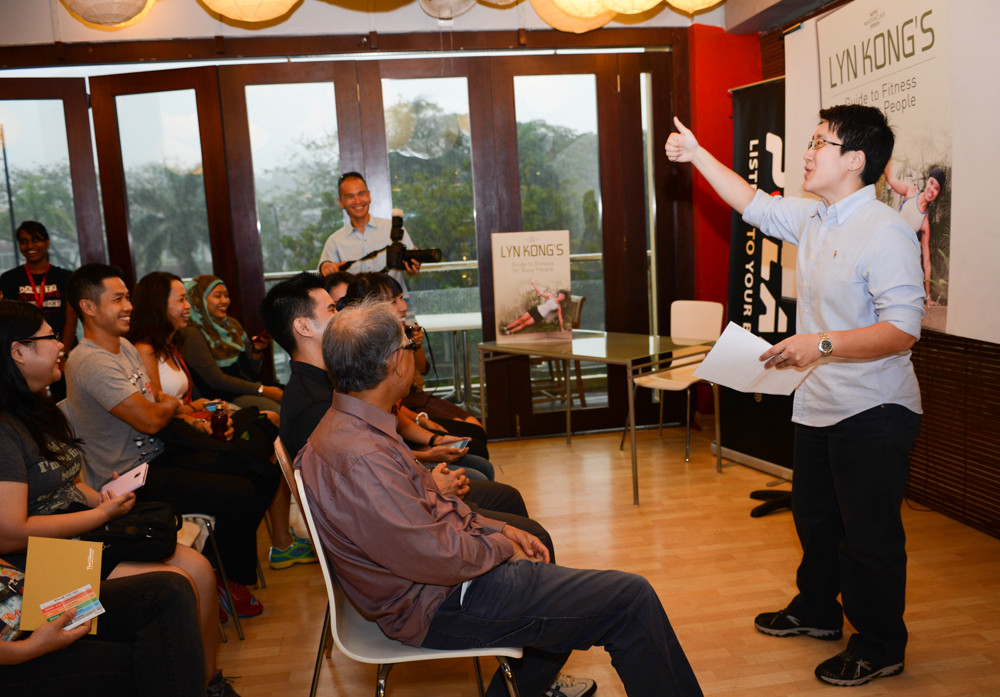
On Saturday, 8th March 2014, Lyn spoke to a crowd at Times bookstore Malaysia, Pavillion KL. Here are some photos of the event:

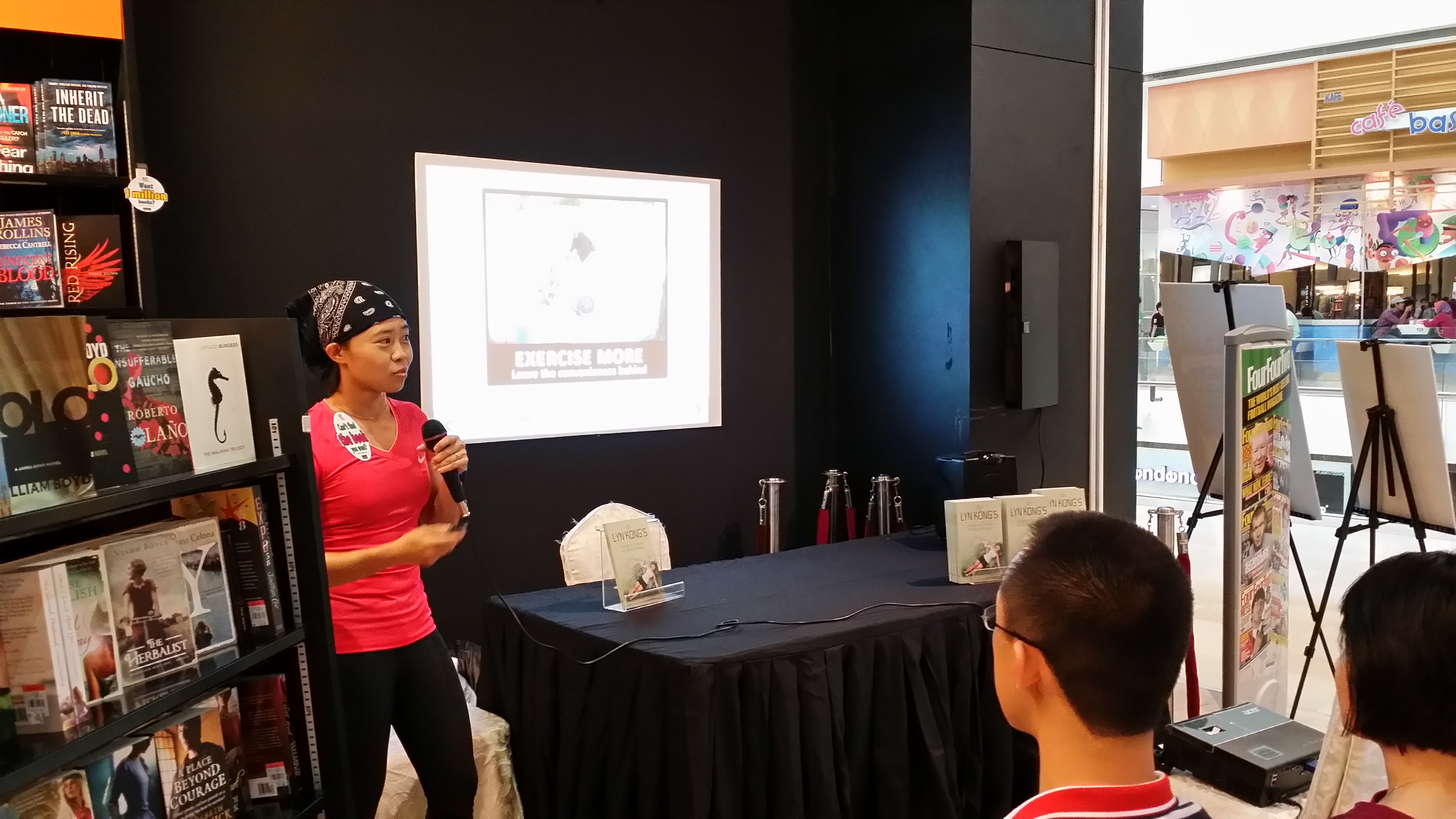
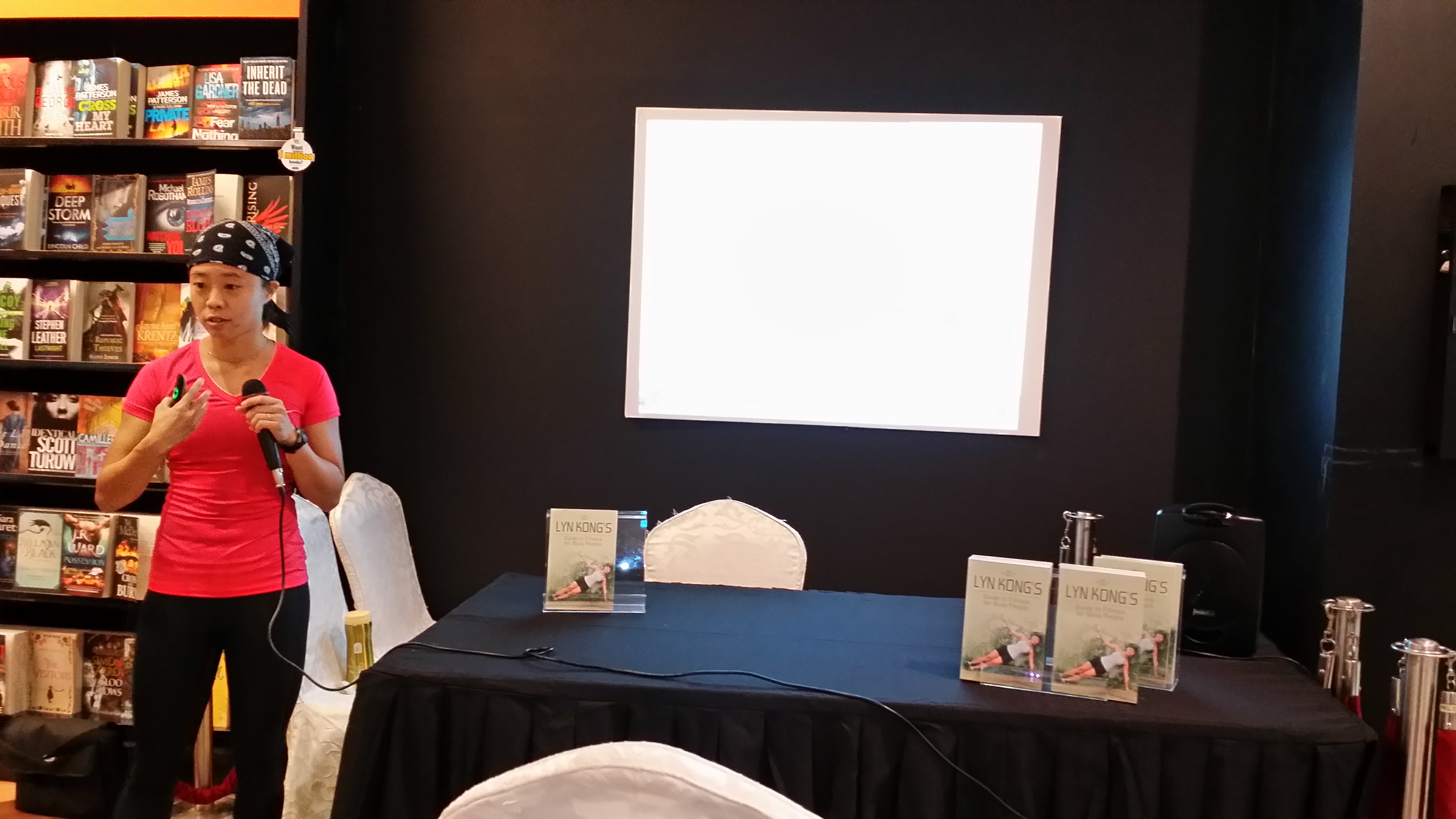

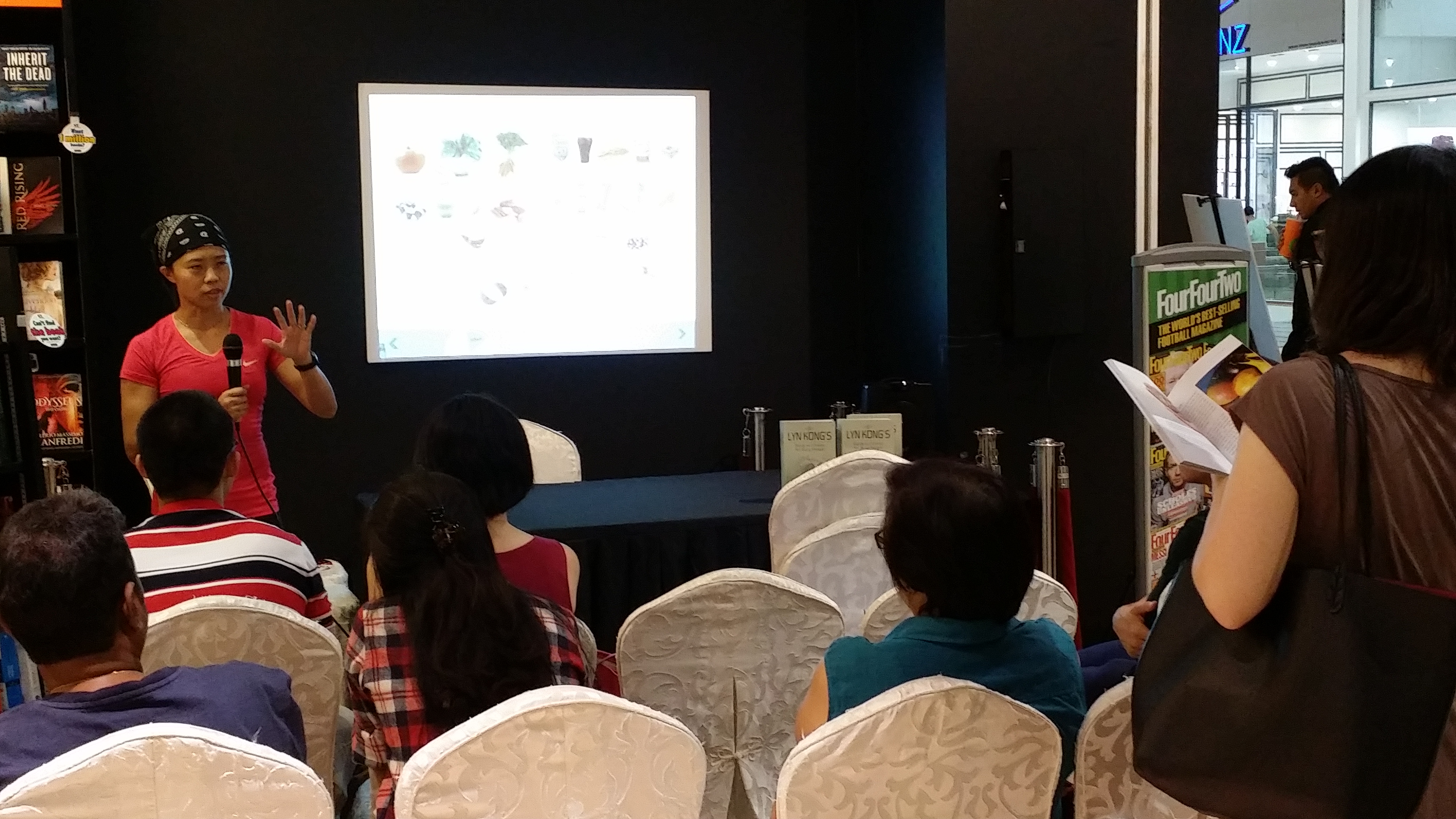
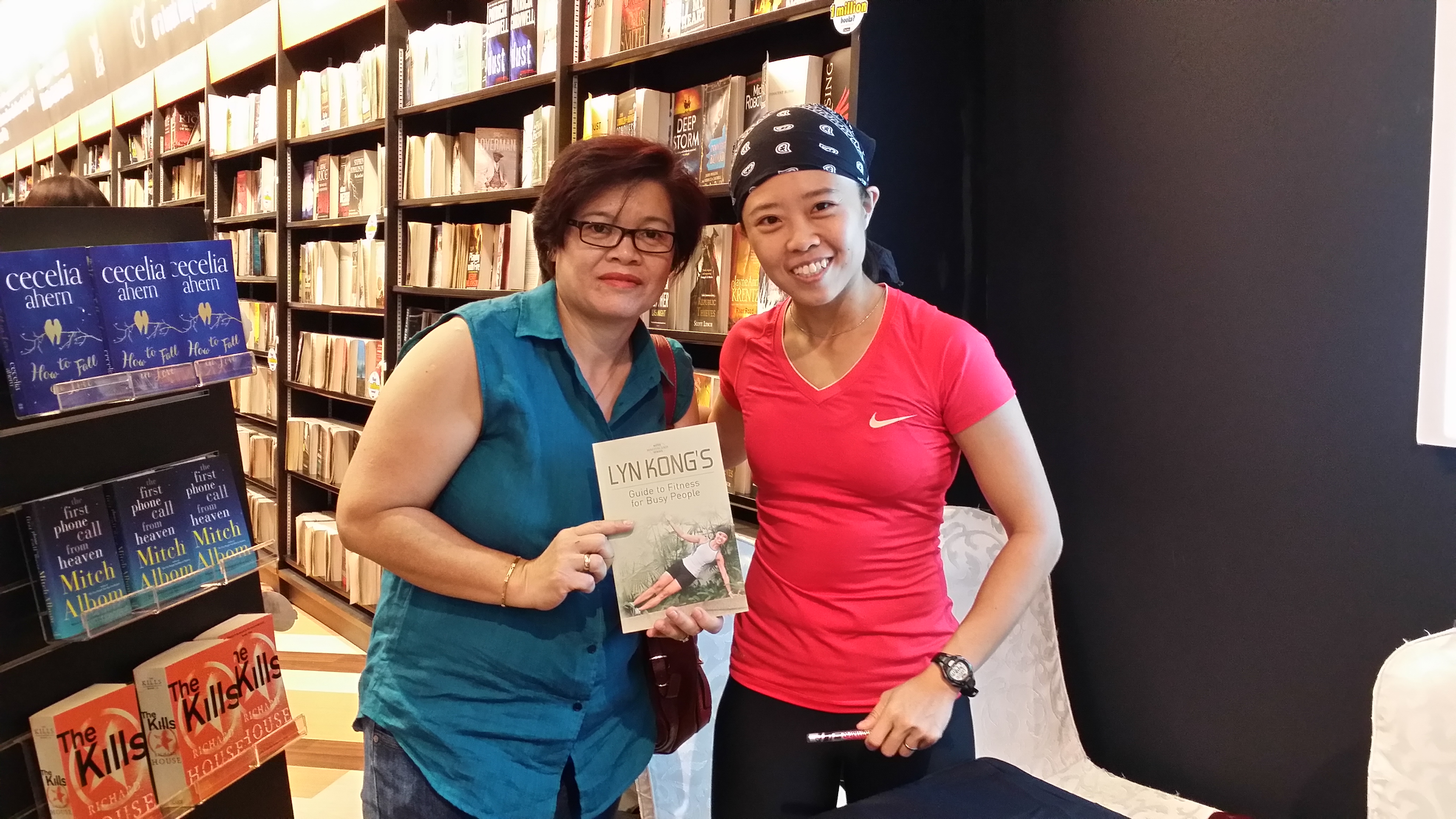
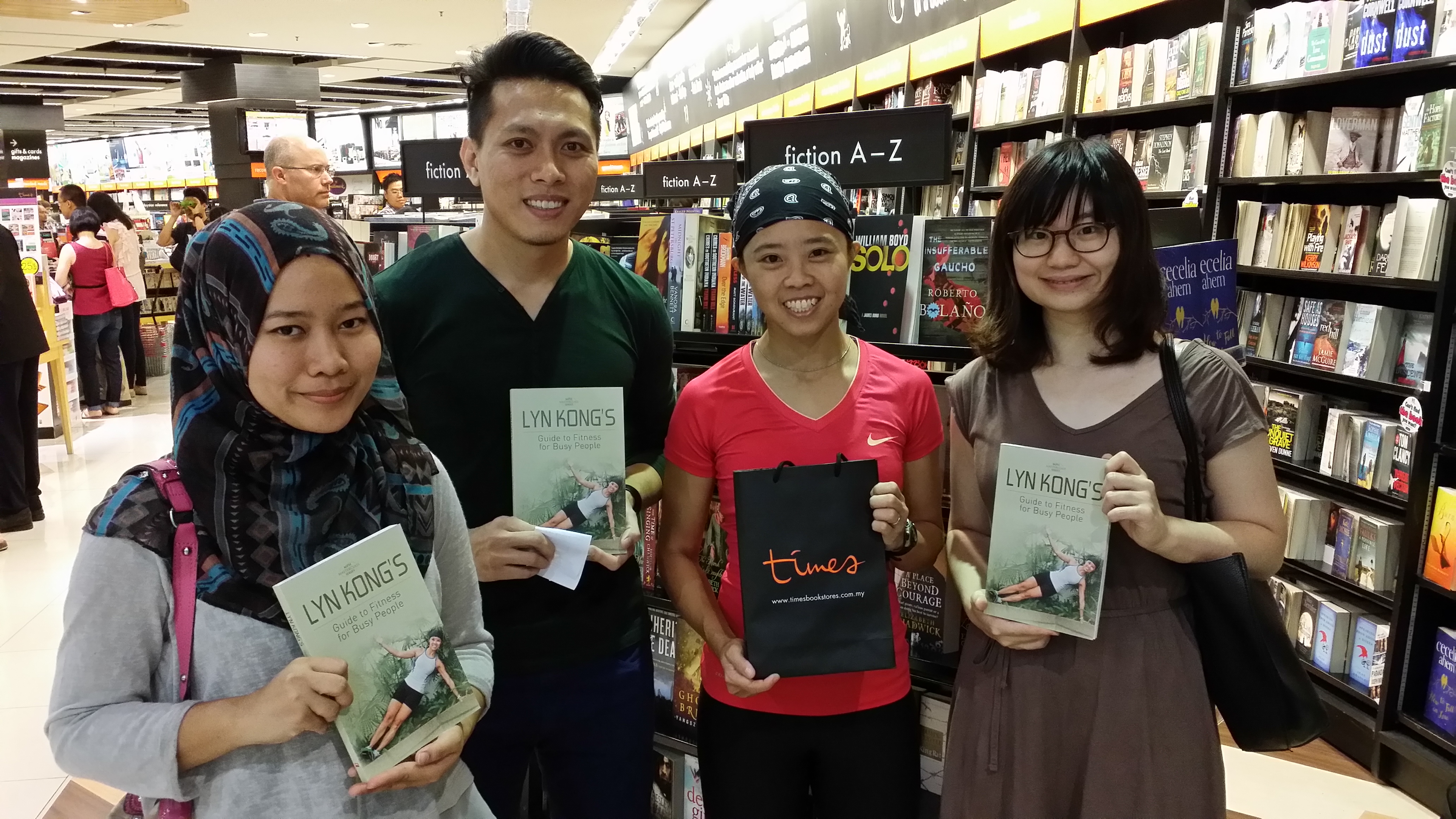
On Saturday, 8th March 2014, Lyn spoke to a crowd at Times bookstore Malaysia, Pavillion KL. Here are some photos of the event:
Eating carbohydrates makes you store belly fat. Eating protein puts on muscle. Most people know that. But a recent study in the Journal of the American Medical Association found that when you over eat on a low protein diet, you store bad fat around your organs including the liver, kidneys and pancreas. But if you eat a high protein diet, you add muscle and increase your resting metabolism and muscle mass. Since muscle burns seven times as many calories as fat, that’s a good thing.
Carbohydrates and protein trigger produce very different chemical messages in the body independent of calories. Carbs lay down the fat, while protein lays down muscle. 4
This study on protein adds to a whole slew of research that proves that higher protein diets (25%) does all sorts of obesity fighting things to your body and your brain.
Reducing belly fat and building muscle is quite simple. And it is not just about the calories you consume. It is about where those calories come from.
Here are a few simple tips to speed up your metabolism and get rid of belly fat.
Excerpt taken from: http://www.ultrawellnesscenter.com/ (Dr Mark Hyman, MD)
If you are trying to put on muscle mass without putting on fat, here are some tips on how to go about it.
General tips of nutrition for muscle mass gain include:
To be the best athlete you can be, is to know how to train properly, how to rest and recuperate adequately, and know how to choose the right foods, how and when to eat them, and when supplements are needed.
Happy training!
10m AMRAP:
7 Burpees
15 DU
Result: 6R+7
3Rounds:
Run 200m
21 Wall Balls @ 4kg
12 Pull Ups:
Results: 12:05
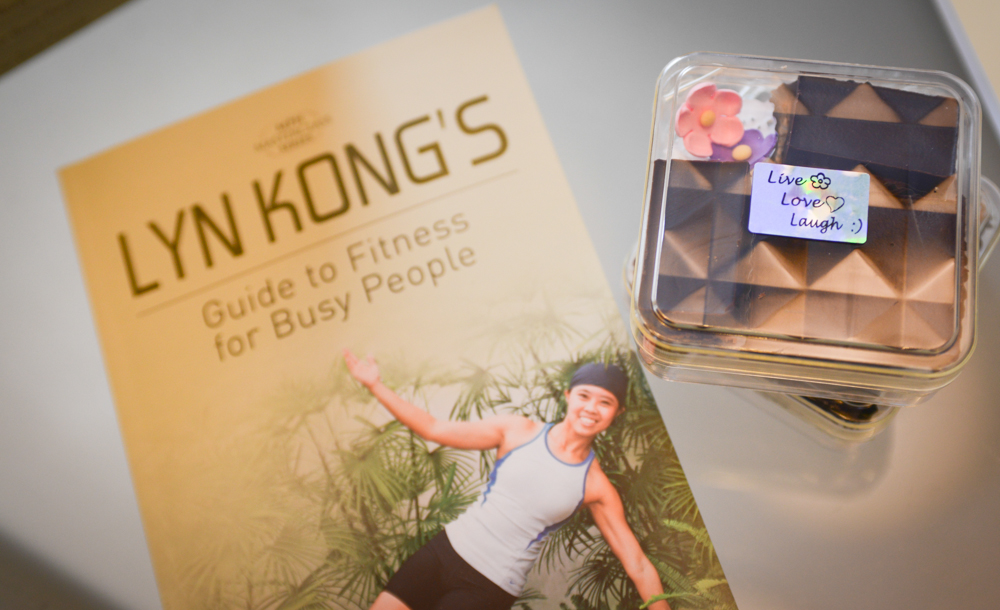
On the 31st of October, 2013, almost 60 people gathered at Kitchen Creatures, Centrepoint to celebrate the launch of my book, “Lyn Kong’s Guide to Fitness for Busy People”. Gym friends, school friends and my family got together and had a fun time.
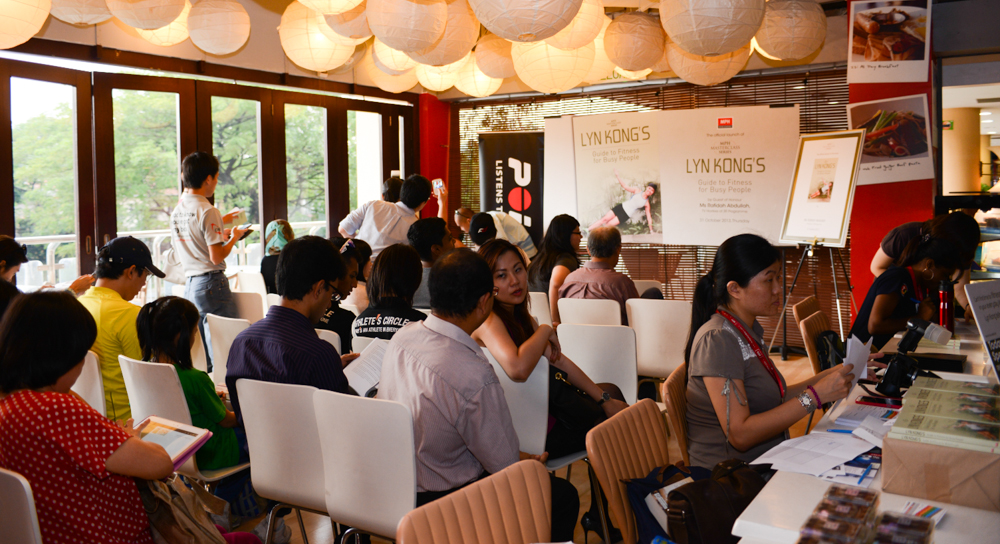

The Guest of Honor, Ms Rafidah Abdullah officiated the launch whilst accompanied by our special guest, Jonathan Wong. 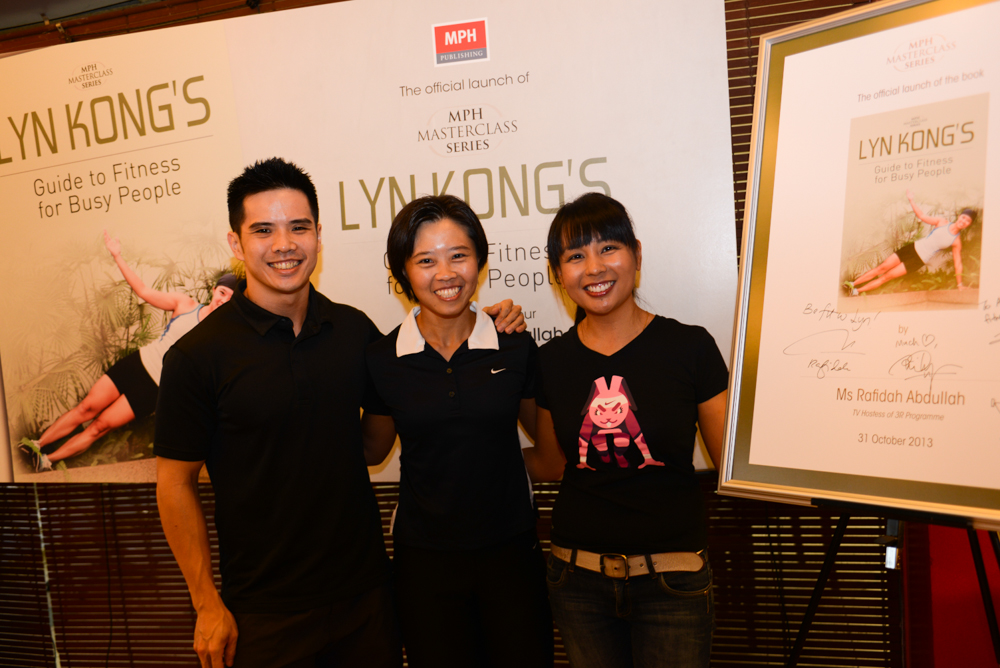
For more pictures friends who turned up and of the launch, click here (pics by Sze Ning) and here (pics by TriStupe).
I would like to say a big “THANK YOU!” to all that came on that day despite the heavy rain , MPH Publishing for helping to shape up this event and publishing my book, and friends all around the world who “virtually” celebrated with me, in one way or another.
And finally, to my parents and sisters who were always there by my side, thank you, I love you all very much.

Lyn Kong’s Guide to Fitness for Busy People (MPH Masterclass Series)
The MPH Masterclass Series is a line of “how to” books on a range of popular topics written by Malaysia-based authors. Every book in this series offers proper steps and explains the right attitude needed to achieve success in the areas concerned.
Fitness has never been as popular as it is today. However, most people simply acknowledge the importance of exercise and fitness without taking action. One key reason for this is that they are just too busy.
Lyn Kong is a certified CrossFit trainer and fitness coach with more than 15 years of fitness training experience. Her varied client base has required her to identify the right exercise and training programmes to cater to different needs and requirements. This is what makes her the ideal person to write this book, which is filled with facts, tips and instructions on how to incorporate fitness into a busy schedule.
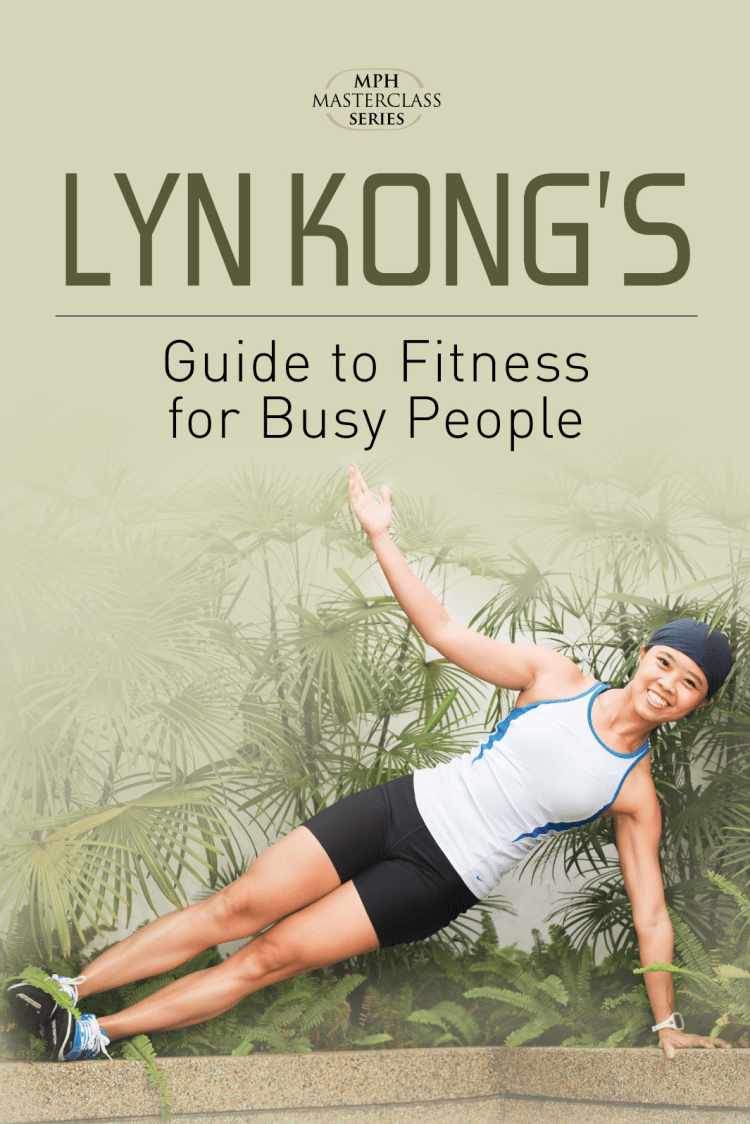
Especially for busy people with no time to exercise, eat healthy or even have enough rest – this guidebook is for you. Filled with exercise and nutrition guide, and topped off with tips on better living. Take the 30-day fitness & health challenge!
No, don’t bother warming up.
Pull a muscle, feel your heart palpitate and fall down.
….
Now, we don’t want that to happen…do we?
Whatever your goal is, you MUST MOVE WELL.
Warm-ups are non-negotiable components of your training. Prepare yourself mentally and physically to reduce the potential of injury. Get more blood flowing through your tissues so your muscles can be ready for action. Get oxygen and nutrients to your muscles and brain.
The type of warm up has to relate to the exercise/activity that you are about to embark on. If you are doing strength training, ensure the muscles around the joint and the muscles that you are working on – is properly lengthened and supple. Mobilize the joint area so that you have proper range of motion. Do dynamic stretching that imitates the movement pattern and also some isometric holds e.g. planks, 5 min squat test or even dead-hang pull up holds. Running 5 mins around the block just to warm up, won’t help your body be ready for squats. It elevates your heart rate so that your blood is pumping more than your static state.
By the end of your warm-up, you should feel all ready to go!
Check out the video below. It’s a 8-minute warm-up that maximizes your full body movements in all movement planes (transverse, saggital, frontal planes).
Warm up exercises: Jumping Jacks, arm swings, lunge and twists, lateral lunges, torso swings, inchworms, shoulder circles and shoulder rolls.
Try this out the next time you train.
How much nutrients should you be consuming after your run?
Do you know?
Firstly, you need to know how much carbohydrates that you need to replenish. For every pound of bodyweight, you will need 0.5grams of carbohydrates.
E.g. If you weigh 140 pounds, you need 70 grams (280 calories) of simple carbs within 30 minutes.
Once you have consumed your carbs, add in some quick-digesting protein so that your muscles will repair quicker. Within an hour, you will need to consume a meal with a carb-protein ratio of 4:1 so that your glycemic levels can improve and get back to normal levels.
Do note that the longer you run, the blend of protein and carbohydrates will differ. If you are running shorter routes (less than 20minutes), you won’t need that much proteins as compared to a long distance marathon runner.
Some ideas of meals post-workout are, grilled chicken avocado salad, smoked salmon and sweet potato mash and also a fruit salad after a beef-vege broth.
“What should I eat before my run?”
This is one of the most frequent questions that have been posed to me.
The base of advice is this: carbohydrates are meant to provide energy and fuel to last you throughout your run. You will need to consume some amount of carbs for that reason. Consume sweet potatoes, fruit or even an energy bar.
Stay away from foods high in fat and fiber. Both digests slower and this causes the energy transfer to the muscles to be slower, thereby your stomach is still “filled up”. During the digestion period, the body will focus blood flow to the intestines. But during your training time, the blood will disperse out to the muscles which need the energy.
A few of the best pre-runs combinations that work:
Consume them at least 45mins to 1-hour before your run. Tweak some of the items as preferred e.g. raisins or cranberries instead of cherry jam.
Be creative and use your imagination!

Banana & almond butter
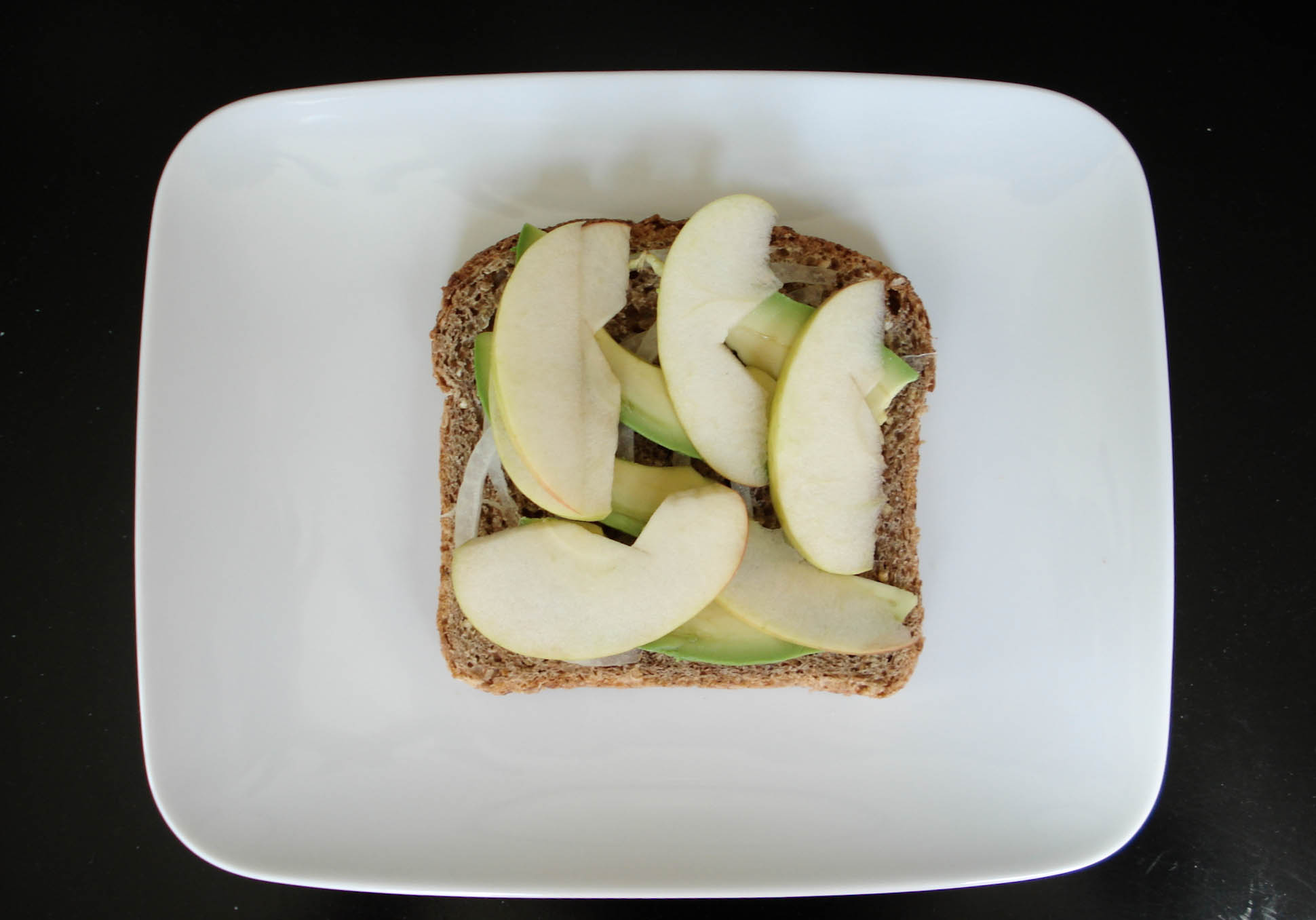
Apple with bread and avocado

Sweet potato with peanut butter and cherry jam

 Lyn Kong Wellness